XOMBI
Loading...
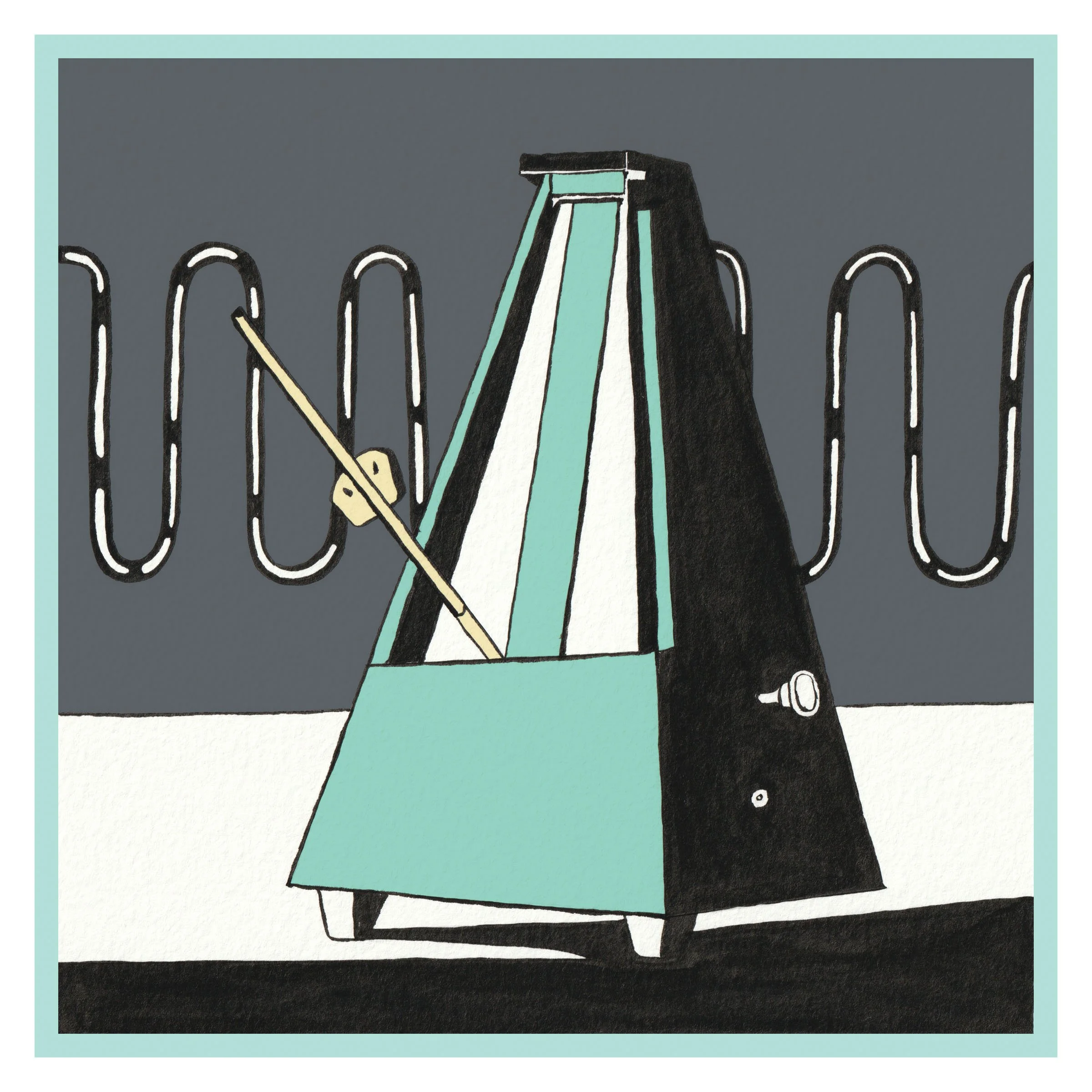
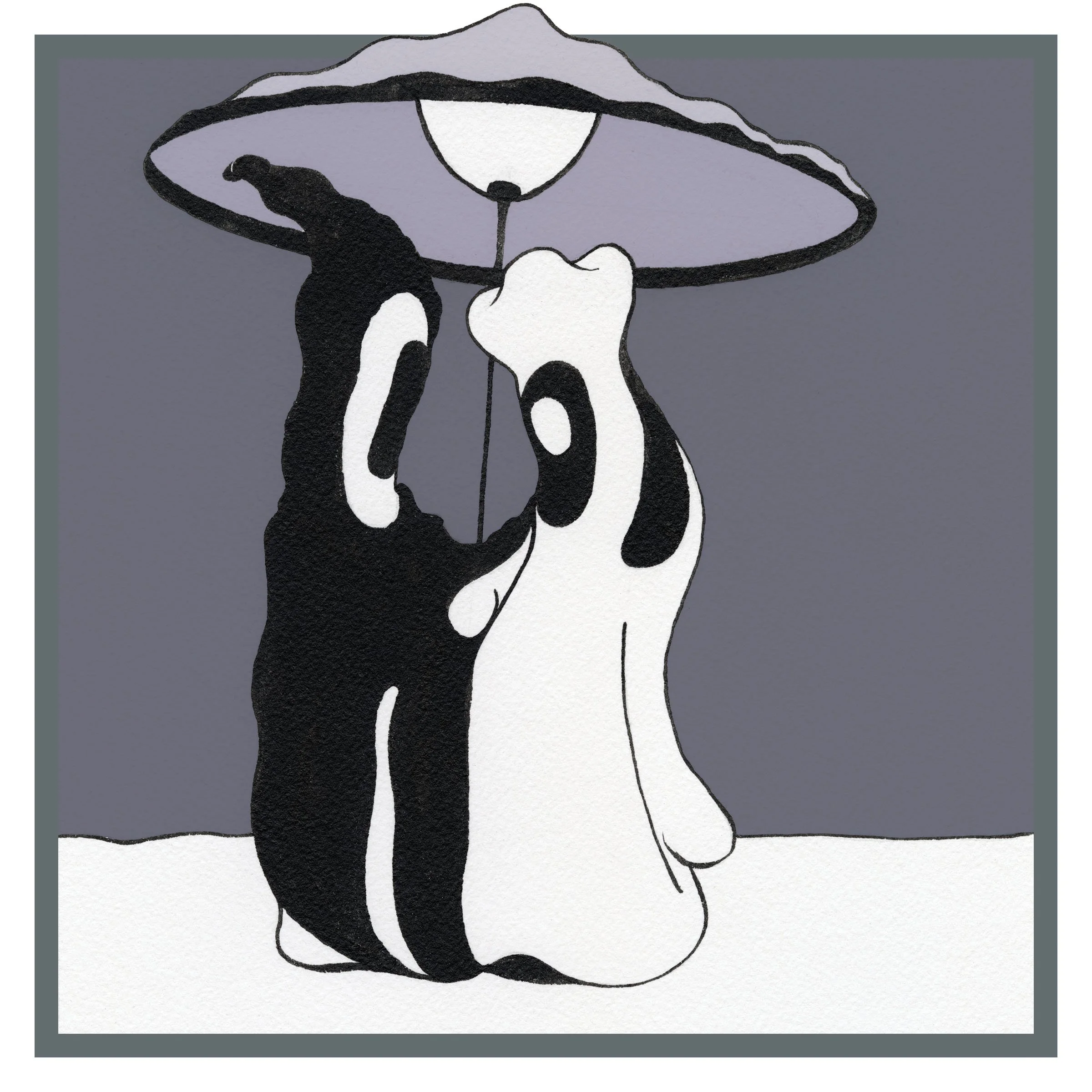
XOMBI is a multi-year, large-scale project in black ink—brushed onto textured watercolor paper, shaped by sculptural instinct, and guided by hands that trust surprise as much as precision. It unfolds as a series of works built around collectible modularity—a system of variation, form, and intention.
XOMBI presents a distinctive style and tone with a diverse field of graphic outcomes, conceptualized, designed, and produced from scratch by actual humans. It has incongruent moods, shifting representations, and unexpected subjects, but calculated, cohesive tethering within its disparate nature.
XOMBI challenges the boundaries between fun, stillness, and vitality, and invites the viewer into a colorful field of deliberate visual complexity with pronounced aesthetic variation.
No generative shortcuts. No artificial influence. Just a project of skill, dedication, and persistent personal effort.
XOMBI is a living body of work—breathing life into the still…
INK:


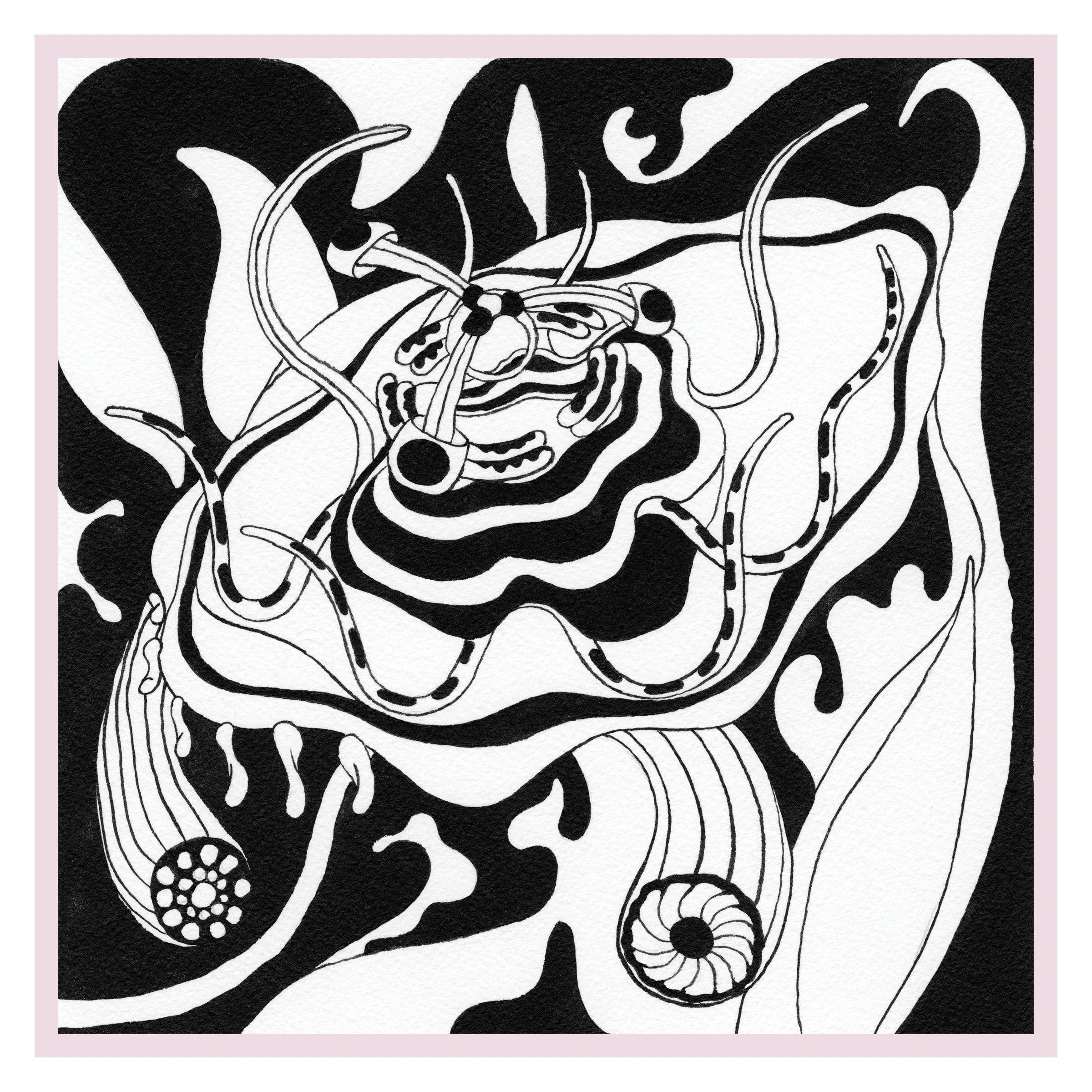

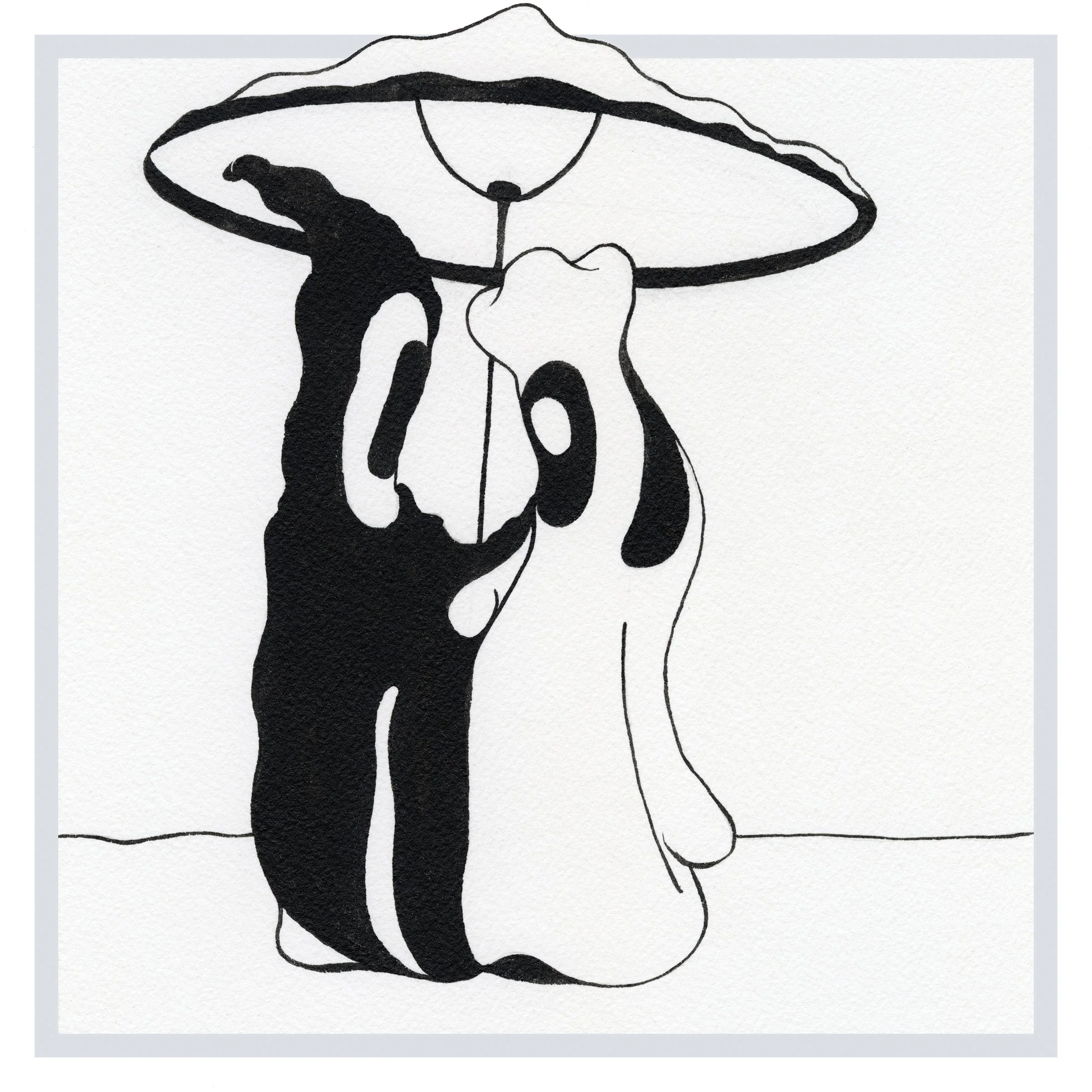
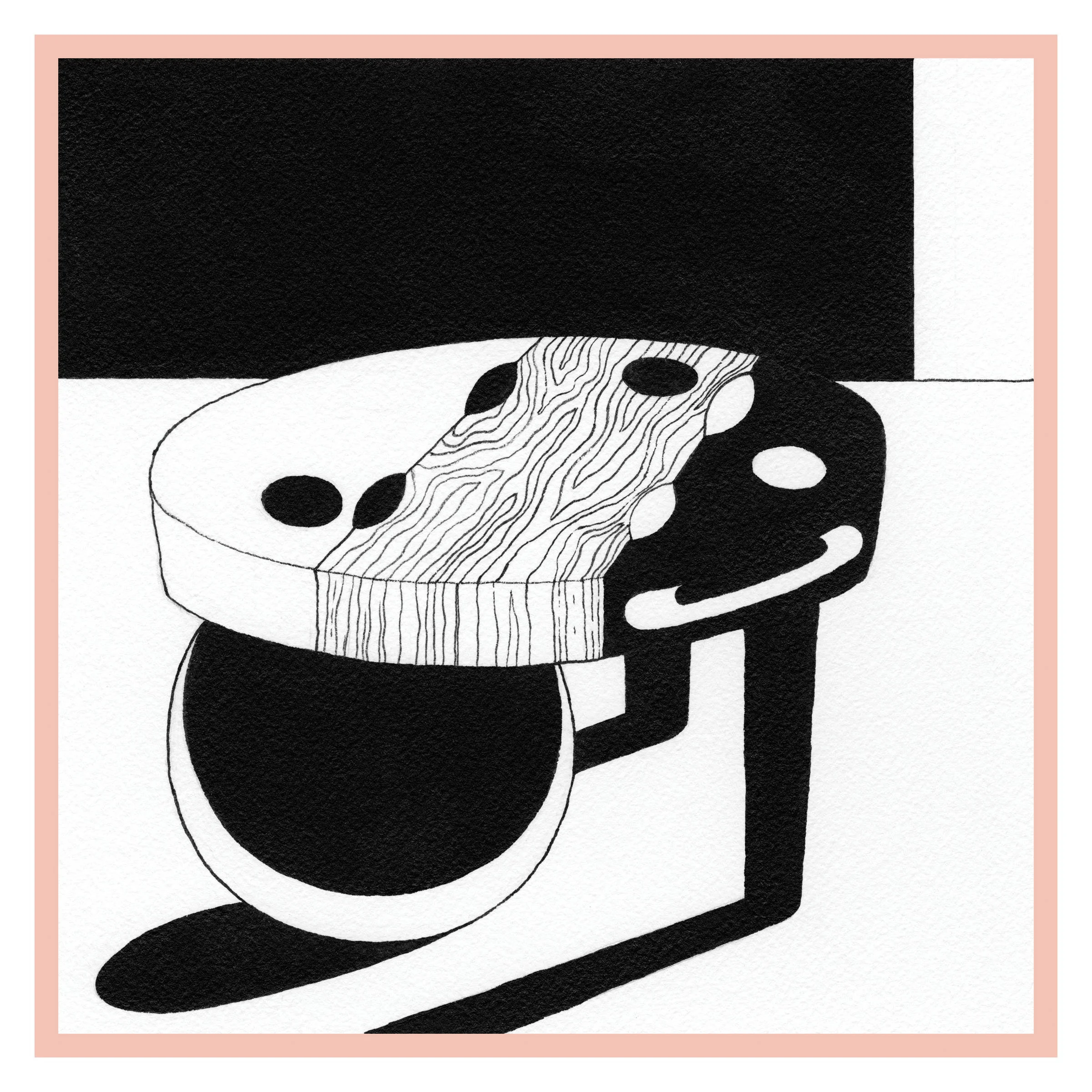
XOMBI begins with black ink—640 physical originals, each hand-painted on textured watercolor paper using traditional materials and analog techniques. Every mark is deliberate, shaped by impulse and skill rather than automation. These monochrome compositions form the foundation of the series: raw, immediate, and alive.
The originals are divided into six thematic categories—HEAD, TOOL, MEAT, SOLID, TUBE, and BASE—with at least 100 pieces in each. The categories grew from an underlying sculptural idea: although conceived and rendered in two dimensions, the works were imagined as potential objects—forms that might be fabricated, placed on a table, stacked, balanced, contained, or assembled into sculptural still lifes. That imagined physicality informs both the character of the individual works and the modular structure of XOMBI as a whole.
HEAD contains the figures that might command such an arrangement—heads, busts, and other primary forms conceived as objects with physical presence. Many terminate in a flat lower edge, as though designed to sit on a table, pedestal, or another XOMBI form. BASE provides those potential foundations: platforms, supports, and architectural structures, often with flat upper surfaces upon which another object might rest. Some become larger imagined environments—bases, bunkers, or structures that could themselves contain people.
TOOL explores utility in both practical and playful terms. Its works include tools, useful objects, and vessels—containers that might hold something as well as vessels that might transport something. The category also plays knowingly with the promise of “utility” that surrounded the NFT culture of 2021 and 2022: in XOMBI, the works in TOOL quite literally have utility, even when that usefulness becomes strange, ambiguous, or absurd.
MEAT encompasses things that might be consumed, grown, or formed from organic matter: food and drink, plants and animals, anatomical fragments, and forms that appear clumped, clodded, kneaded, or manipulated almost as if they had been modeled in clay. The category treats “meat” expansively—as substance, organism, material, and mass.
The ink drawings owe an early debt to the engravings of Albrecht Dürer—the precision and density of line, the accumulation of marks, and the ability to construct strange forms and worlds from black ink alone. That lineage is embedded within XOMBI itself: every work in the SOLID category incorporates, in some form, the enigmatic polyhedron from Dürer’s Melencolia I, transforming it again and again within XOMBI’s own visual vocabulary.
Another form recurs across XOMBI: the Tube. Some variation of a tubular structure appears in nearly every work, sometimes conspicuous, sometimes absorbed almost invisibly into the image. More than the defining motif of the TUBE category, it functions as a recurring artifact throughout the series—a visual thread connecting otherwise disparate subjects and forms.
These categories are intentionally porous rather than absolute. A work may satisfy more than one definition, cross from one conceptual territory into another, or simply violate the system for the pleasure of doing so—a house, for example, resides within TOOL. The categories provide structure without eliminating ambiguity, allowing individual forms to assume different roles depending on how they are seen or combined.
In this sense, XOMBI was modular before it was digital. The possibility of composition was present in the original ink drawings themselves: a Head might rest upon a Base; a Tool might sit beside a piece of Meat; a Tube might pass through or connect otherwise unrelated forms. What could exist as a sculptural still life in physical space can instead be assembled visually in two dimensions. The individual works become components, and their arrangement becomes another act of composition.
COLORWAYS: